What is an Absolute Encoder and How Do They Work?


In modern automation and motion control systems, precise position feedback is critical. Whether guiding robotics on an assembly line, tracking wind turbine blade position, or synchronizing motion in industrial machinery, accuracy and reliability are key. That’s where absolute encoders come into play.

What is an Absolute Encoder?

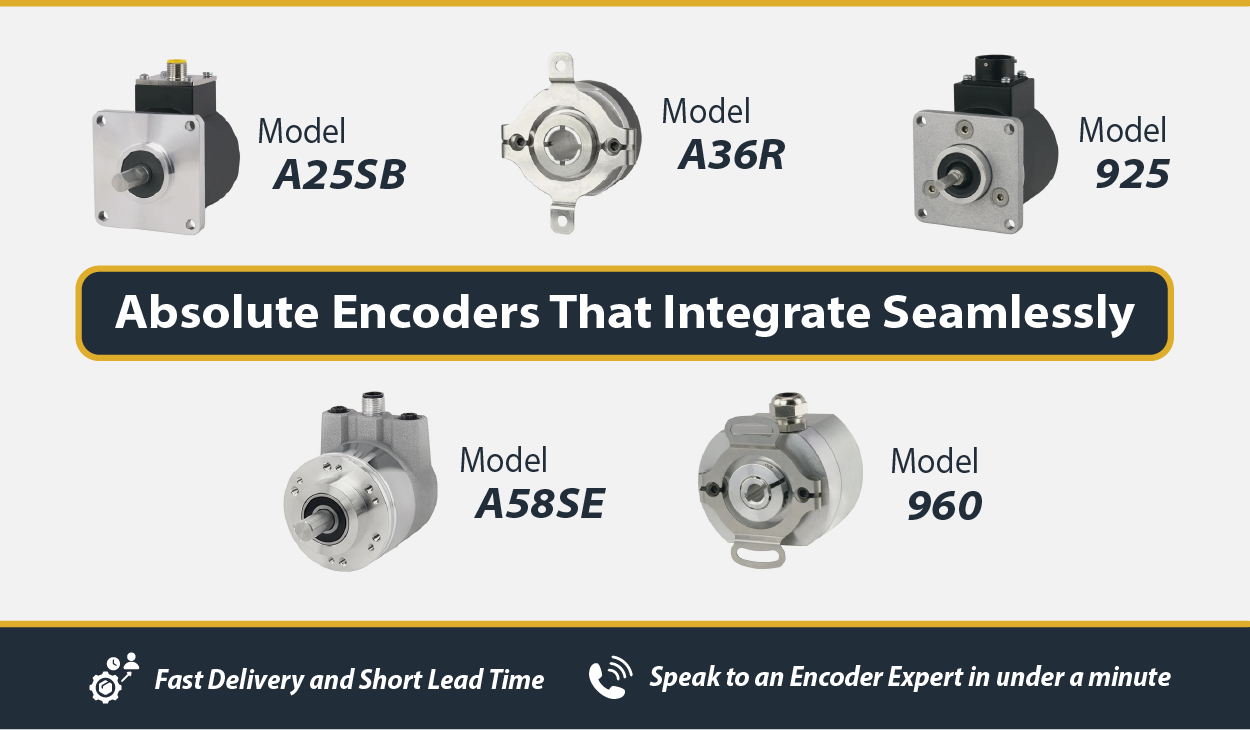
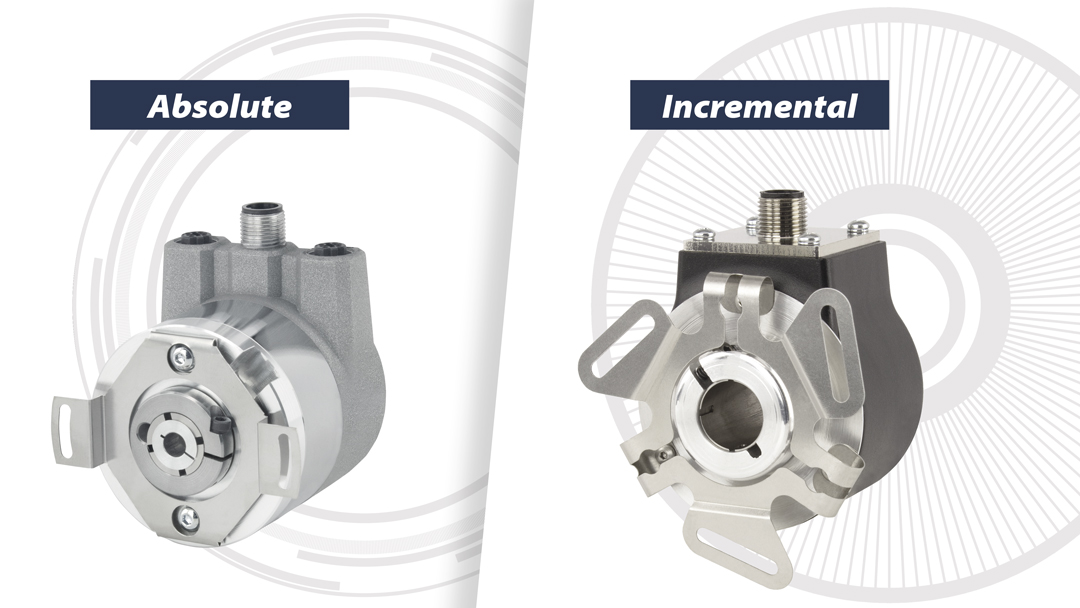
An absolute encoder is a type of rotary or linear position sensor that provides a unique digital code for every discrete position of a shaft or linear axis. Unlike incremental encoders, which count changes in position from a reference point, absolute encoders deliver the exact position instantly, even after power loss.

This means that every position reading is unambiguous. Whether the system just powered up or is operating continuously, an absolute encoder always knows where it is.

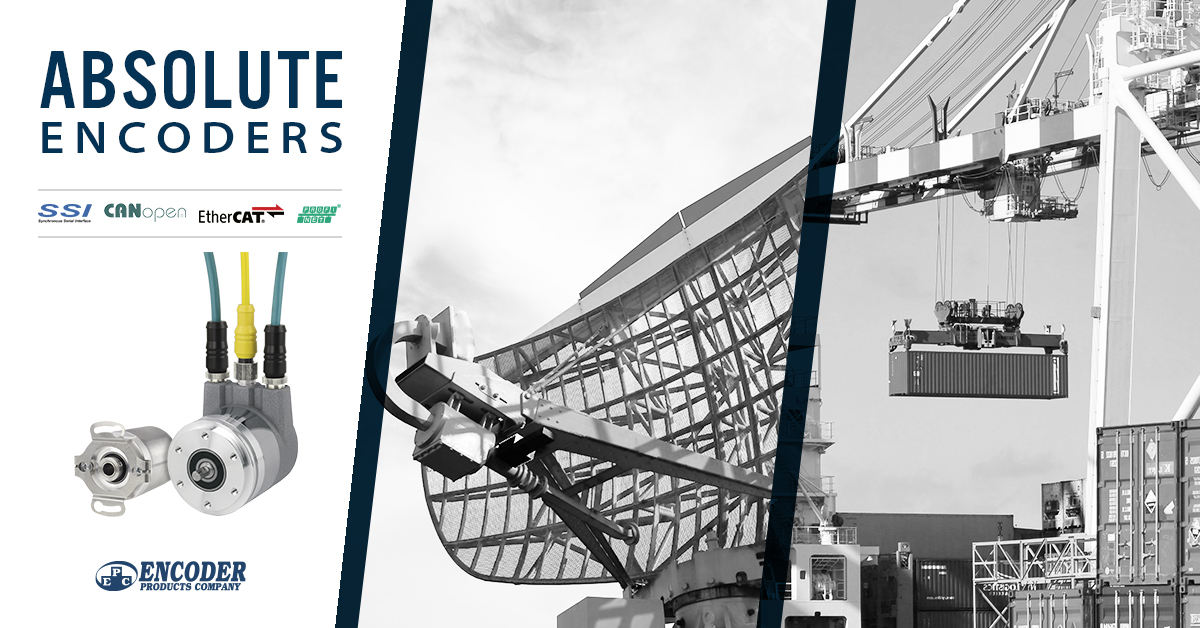
absolutes-applications-gantry-antenna_Li_1200x628


Advantages of Absolute Encoders

Absolute encoders offer several key benefits:

  • Immediate Position on Startup

    No need to reference or move to a home position after power loss

  • Reliable and Unambiguous Feedback
    Every position is represented by a unique code to eliminate guesswork and error accumulation.


  • Ideal for Safety-Critical Systems
    Systems where position information must be known at all times benefit greatly from absolute feedback.
  • Resilience to Power Interruptions
    Because position is encoded inherently, power interruptions do not erase position data.

Single-Turn vs. Multi-Turn Absolute Encoders

Single-turn absolute encoders provide a unique position value for each position within one complete revolution.  Multi-turn absolute encoders provide position within a revolution while also tracking the number of completed revolutions.  Multi-turn feedback is useful in applications where position must be known across multiple shaft rotations.


Common Applications for Absolute Encoders

Absolute Encoders are widely used in industries where exact position feedback and system reliability are essential.

How to Choose the Right Absolute Encoder

When selecting an absolute encoder for your application, consider:

Resolution requirements - Higher resolution yeilds finer position granularity.

Output Interface Compatibility - Ensure the encoders upports your controller's communication protocol

Environmental Conditions - Look at IP rating, shock and vibration resistance, and temperature tolerance.

Size & Mounting Style - Shaft or hollow bore, flange style, and electrical connections all matter for installation.

 

07162025_DP_Absolute Encoders

Get Help Selecting an Encoder

More Resources


Talk with an Expert

We're here to help. Our engineers and encoder experts will respond quickly to your toughest, most technical encoder questions.

Expedite options are available on many models. Contact us for details.

For specific needs or requests:


Contact Customer Service